How to Know When a Tree Should Be Removed
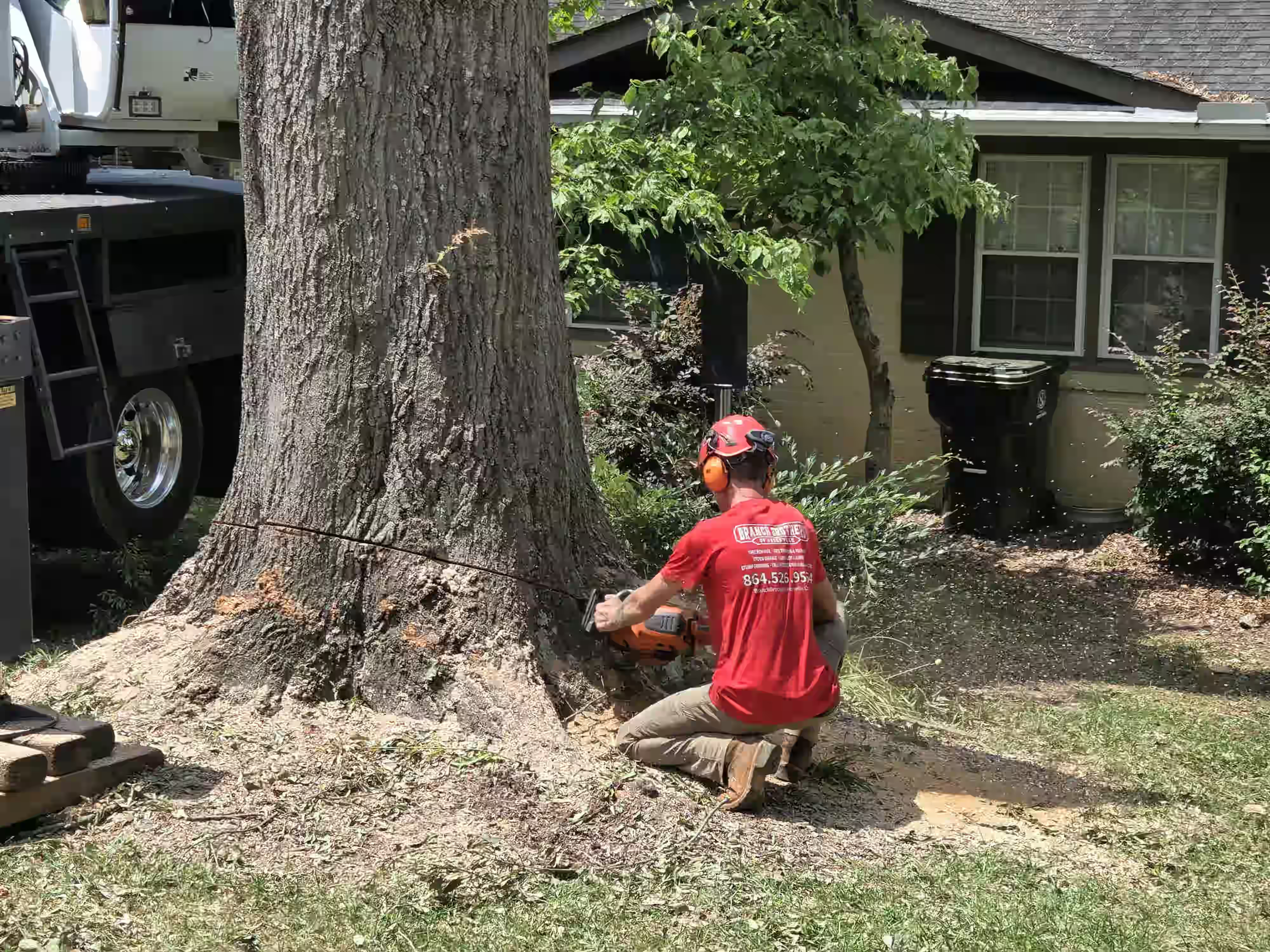
Trees are one of the most beautiful partsof a property. They add shade, character, privacy, and a sense of maturity thatcan make a home feel established. But when a tree starts declining, crowdingthe property, or growing too close to the home, it can become difficult to knowwhat the right next step should be.
For many Greenville homeowners, thequestion is simple:
Does this tree need to come down, orcan it be saved?
The answer depends on the tree, theproperty around it, and the homeowner’s goals. In some cases, trimming ormaintenance may be enough. In other cases, tree removal may be the mostresponsible choice.
Here are some common signs that it may betime to schedule a Tree Health Assessment.
1. The Tree Looks Dead or Is Visibly Declining
A tree that has large dead sections,missing bark, brittle limbs, or very little healthy canopy may be in decline.Sometimes one portion of the tree begins failing before the entire tree showsobvious signs.
Greenville homeowners may notice:
- Large dead limbs
- Bare sections in the canopy
- Bark peeling away
- Fungal growth near the trunk
- Brittle or cracking branches
- A tree that looks weaker eachseason
A declining tree does not always needimmediate removal, but it should be looked at before the problem becomes moreserious.
2. Limbs Are Hanging Over the Home or Outdoor Spaces
Branches growing over a roof, garage,driveway, deck, porch, fence, or play area can create stress for homeowners.Even if the tree is healthy, poorly positioned limbs may need trimming,pruning, or removal depending on the situation.
This is especially important when limbsare large, heavy, cracked, or close enough to rub against the home.
If you find yourself watching a certainlimb every time the wind picks up, that is a good sign it is time to get aprofessional opinion.
3. The Tree Is Leaning or Looks Like It Has Shifted
Not every leaning tree is dangerous. Sometrees naturally grow at an angle and remain stable for years. But a lean thatappears to be getting worse can be a concern, especially if the tree is leaningtoward a house, driveway, bedroom, porch, or outdoor living area.
Watch for:
- Soil lifting near the base
- Cracks in the ground around theroots
- A lean that seems more noticeableafter storms
- A tree that appears to be pullingaway from the ground
- Large limbs weighing the tree inone direction.
If a tree looks like it is leaning morethan it used to, schedule a Tree Health Assessment before making a decision.
4. Roots Are Affecting Driveways, Sidewalks, or Foundations
Tree roots can sometimes interfere withnearby hardscapes or structural areas. Greenville homeowners may notice rootslifting sidewalks, cracking driveways, pushing into landscape beds, or growingtoo close to the home.
Root-related issues do not always meanthe tree needs to be removed. However, they should be evaluated carefullybecause roots play a major role in the tree’s stability and long-term health.
The right next step may be pruning,monitoring, or tree removal depending on the tree and the property.
5. The Tree Is Blocking Sunlight or Making the Yard LessUsable
Tree removal is not always about danger.Sometimes a tree simply no longer fits the way a homeowner wants to use theproperty.
A tree may be blocking sunlight from thelawn, crowding other trees, taking over a small yard, or making an outdoorspace feel darker and less open. In these cases, trimming may help. But if thetree is poorly placed or limiting the property’s long-term potential, removalmay be worth considering.
For homeowners who care about curbappeal, grass growth, and usable outdoor space, this can be an important partof the decision.
6. The Tree Was Damaged by a Storm
Storm damage can change a tree quickly.Heavy wind, rain, lightning, or broken limbs may leave a tree unstable orstructurally weakened.
After a storm, look for:
- Broken hanging limbs
- Splits in the trunk
- Large cracked branches
- A tree that shifted or leaned
- Major canopy loss
- Damage close to the home ordriveway
Some storm-damaged trees can be prunedand maintained. Others may need removal. The important thing is to avoidguessing when a damaged tree is close to the home.
7. The Stump Is Creating Problems After Removal
Tree removal does not always end with thetree itself. A stump can still affect the way your property looks andfunctions.
Stumps can interrupt mowing, reduceusable yard space, create tripping hazards, or make a landscape feelunfinished. If the stump is in a visible or high-use area, tree and stumpremoval may create a cleaner, more polished result.
Tree Removal Should Start With a Clear Recommendation
At Branch Brothers, we do not believeevery tree concern should automatically lead to removal. Sometimes trimming,pruning, or maintenance is the better option. Other times, removing the tree isthe responsible choice for the property.
That is why a Tree Health Assessment canbe such a helpful first step.
We look at the tree, the surrounding homeand yard, and what the homeowner wants from the property. Then we explain whatcan wait, what should be addressed soon, and what next step makes the mostsense.
What Happens to the Tree After Removal?
Branch Brothers approaches tree removalwith a greater purpose through our TreeCycle process.
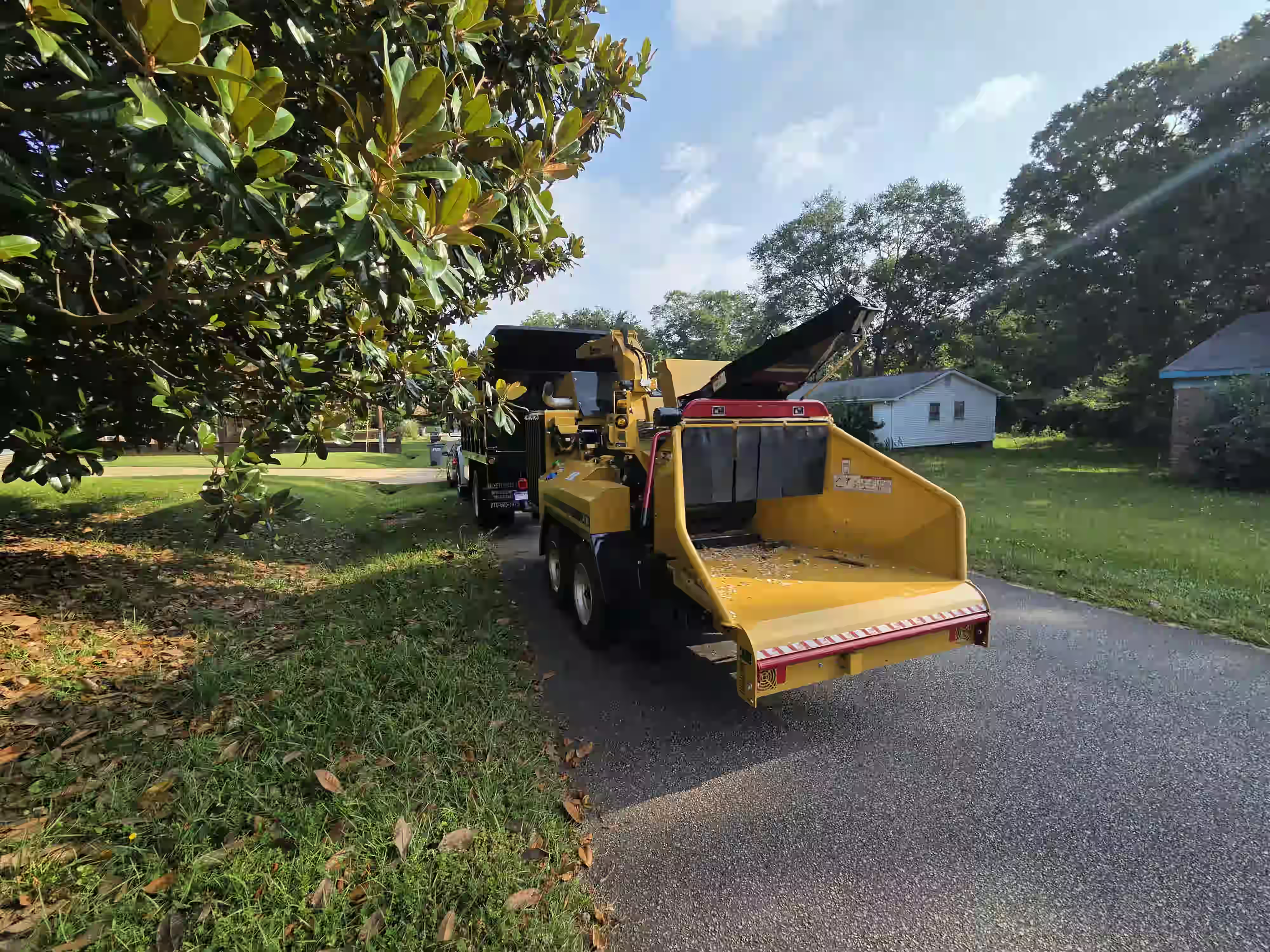
When possible, usable wood from removedtrees is repurposed into materials like firewood, mulch, wood chips, lumber,live-edge slabs, and future TreeCycle products. Instead of treating everyremoved tree as waste, we look for ways to give it another purpose.
It is part of our commitment to removingresponsibly, repurposing intentionally, and reinvesting locally.

Need Help Deciding Whether a Tree Should Be Removed?
Continue reading...
Why Tree Trimming Helps Greenville Homeowners Improve Curb Appeal, Sunlight, and Tree Health